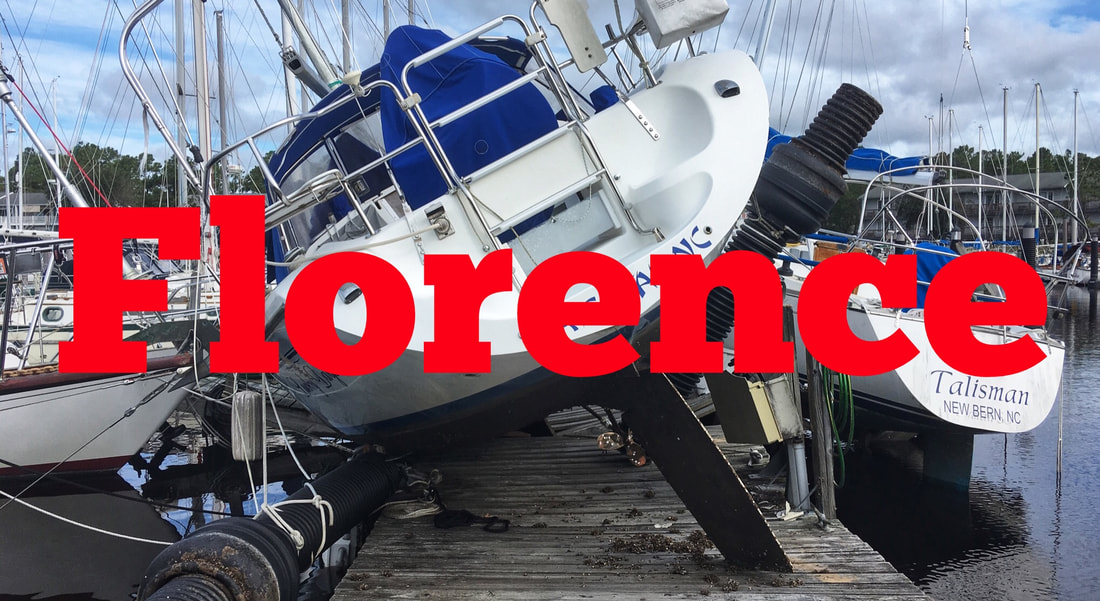
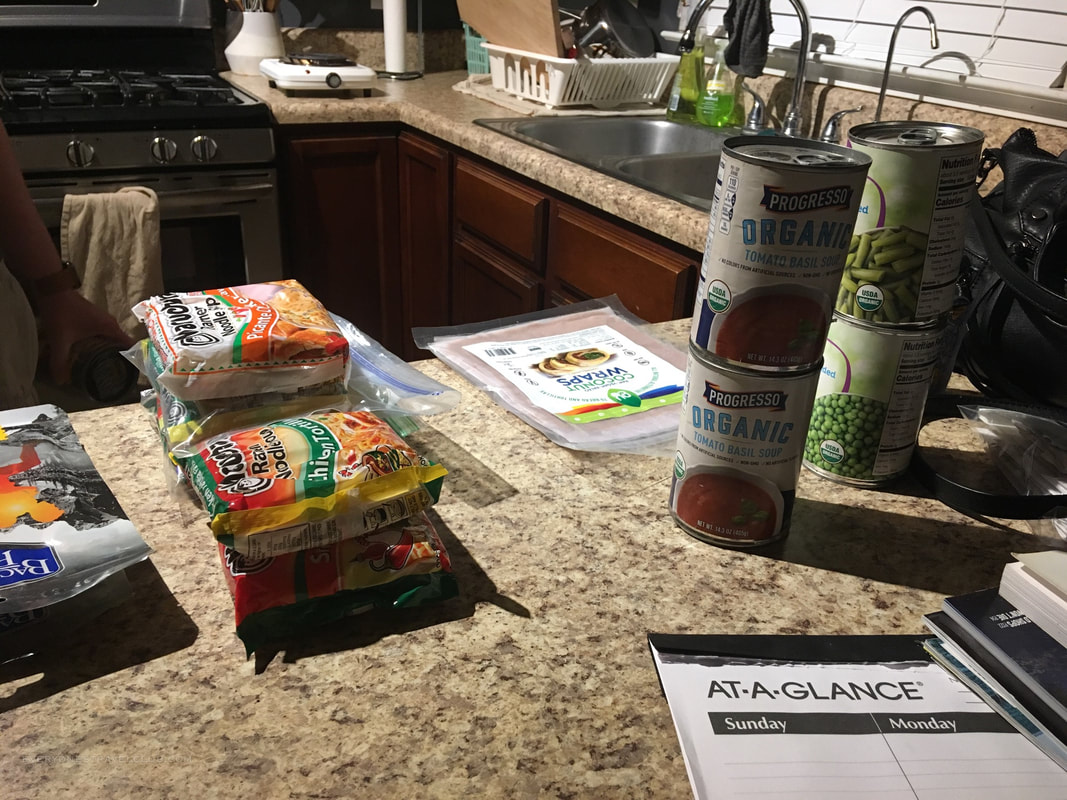
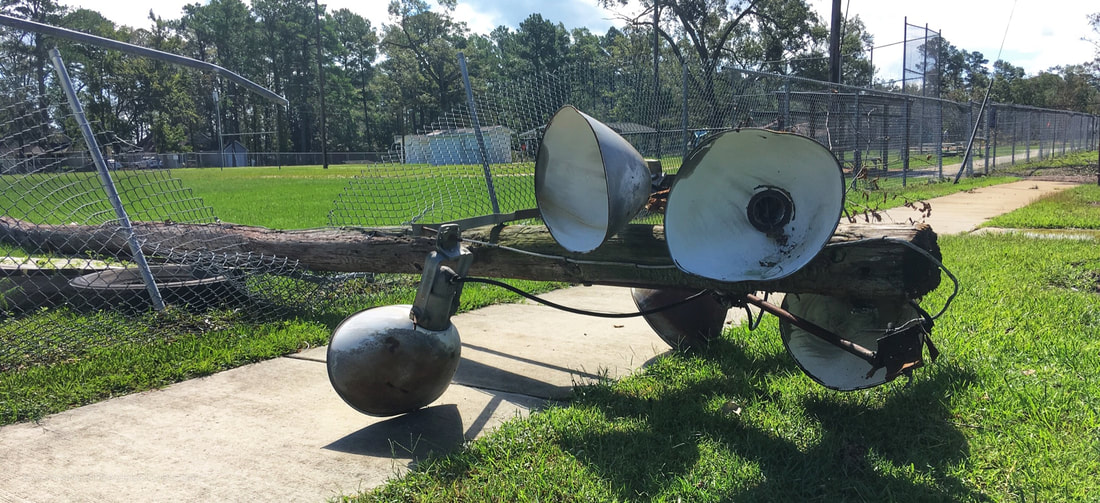
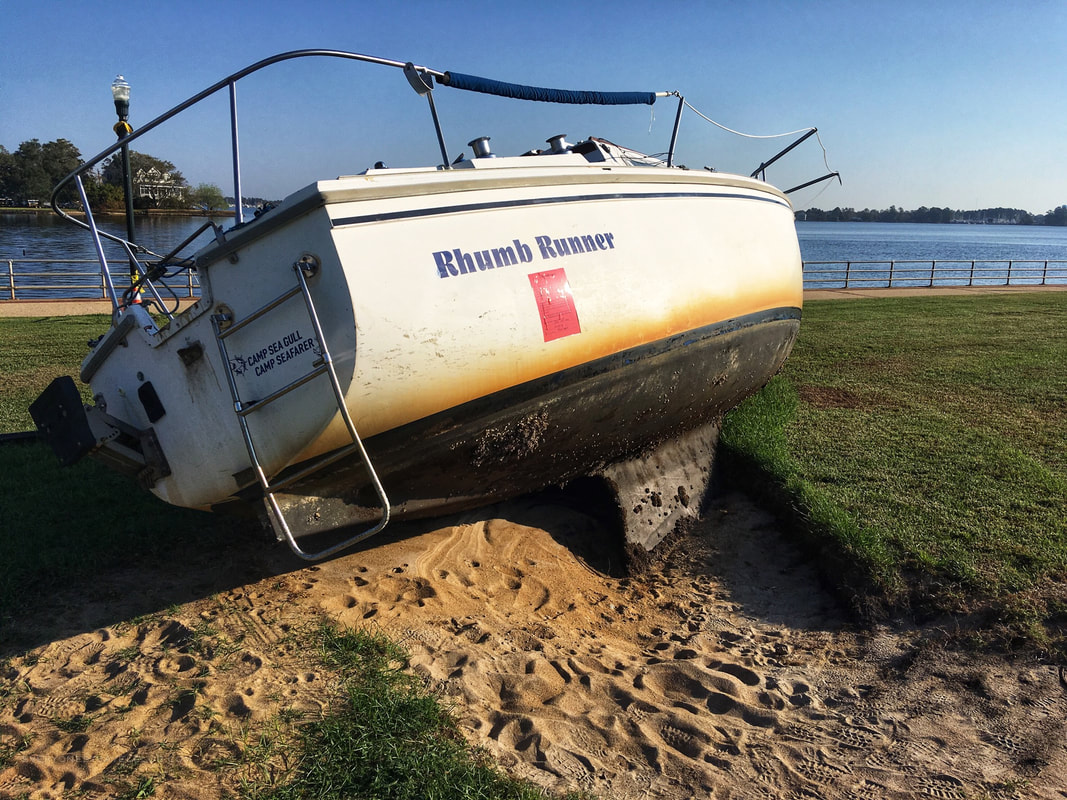
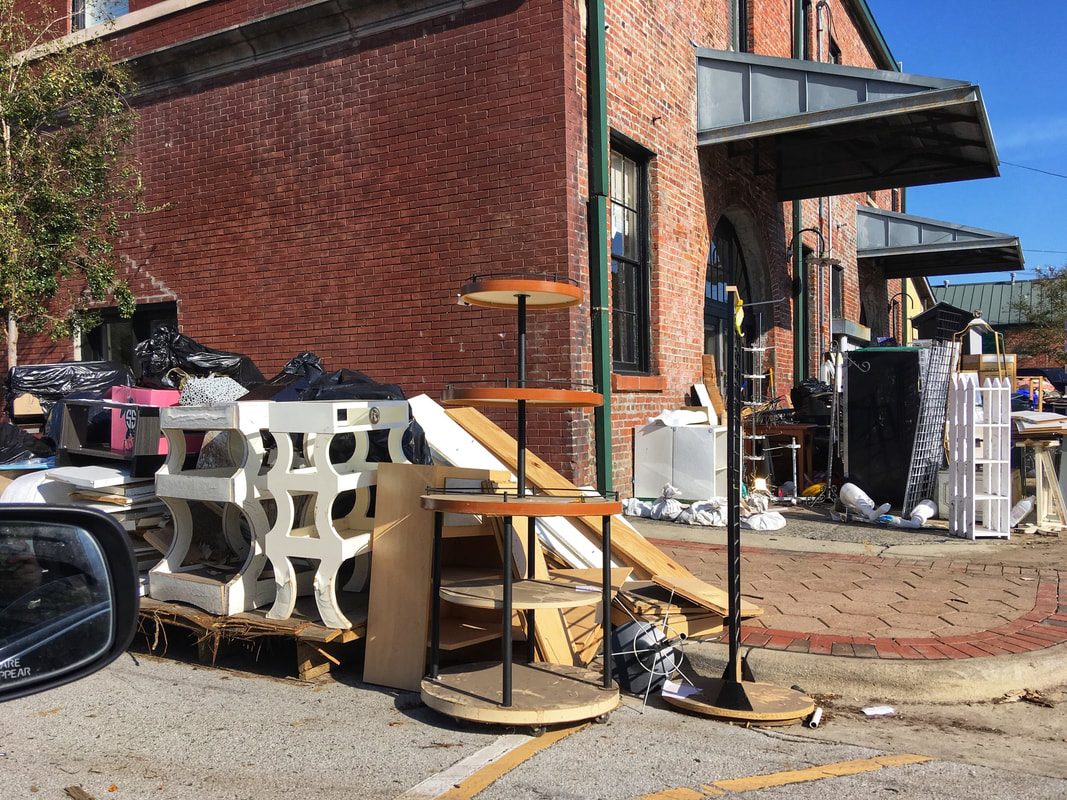
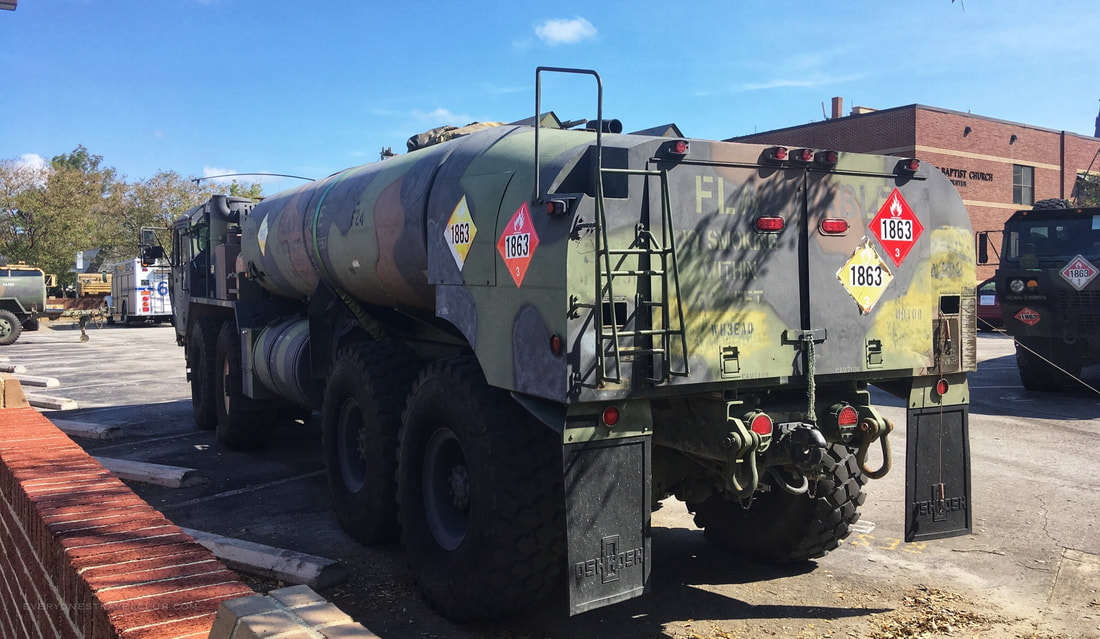
 So, we've been a little distant lately. There was a reason. A big one: Flo. A direct hit from hurricane Florence here in Eastern North Carolina. Luckily, we (along with our family) are safe. Here's how it went down for us. 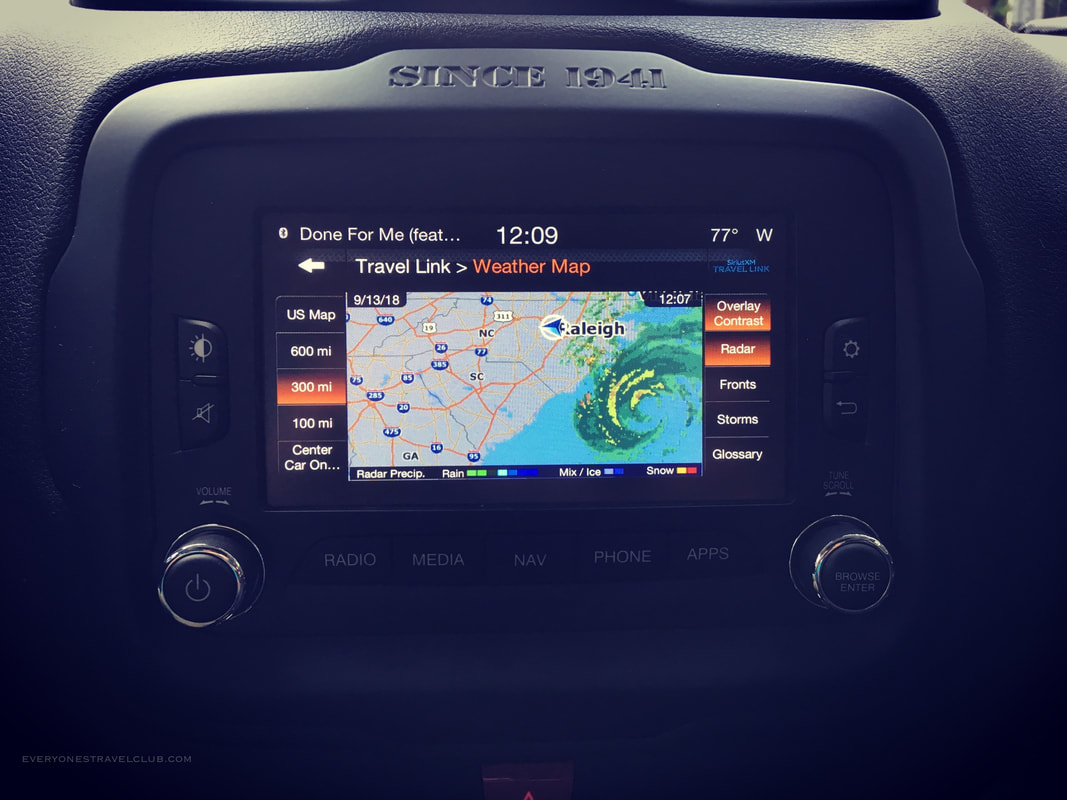 I've been working part-time at a local marina in a nearby town of New Bern, NC. The salty sailor liveaboards had their ear to the ground (ear to the sea?) long before anyone. They knew the storm was coming. I had spent the summer prepping the marina for hurricane season - and here it was. I finished up some work and headed home to prep my place. We were going to stay, then we decided to evacuate, then reconsidered...in the end we decided to pack up the house and evacuate inland to Raleigh. We took the most important stuff, and battened down the hatches before we left - putting lots of stuff in plastic tubs and getting things off the ground level in preparation for flooding in our town. It was a little tricky because putting things upstairs risked putting them in harm's way if the roof blew off. Yikes. Things we did right. We stocked up on gas, water, and food. These are the things that run out quick. We always have a hurricane stash of food and bottled water, we just added to it a bit when we knew the storm was 100% coming. Plastic tubs (for storage) & camping stoves/fuel are the next to sell out - we had those too - phew. I have two rain barrels in my backyard - I opened them up before we left to collect rainwater from the deluge of 20-30+ inches that were coming. We could use this water to flush the toilets after the storm. Our time in Raleigh was boring, but it was nice to sit out the storm with power, restaurants, and water. The storm hit the hardest on Thursday, and we returned home Monday. We had to navigate several closed highways and interstates to get back - I was constantly checking DOT and Facebook groups to chart a safe and successful way home. We made it. Gas was scarce along the way. Nowhere had power. Once home, we started moving tree branches and debris from our yard and helping neighbors. Luckily, our house sustained no damage from the storm. It took the whole week to restore power - so it was camping at home. Town water ended up on a boil order for another whole week. 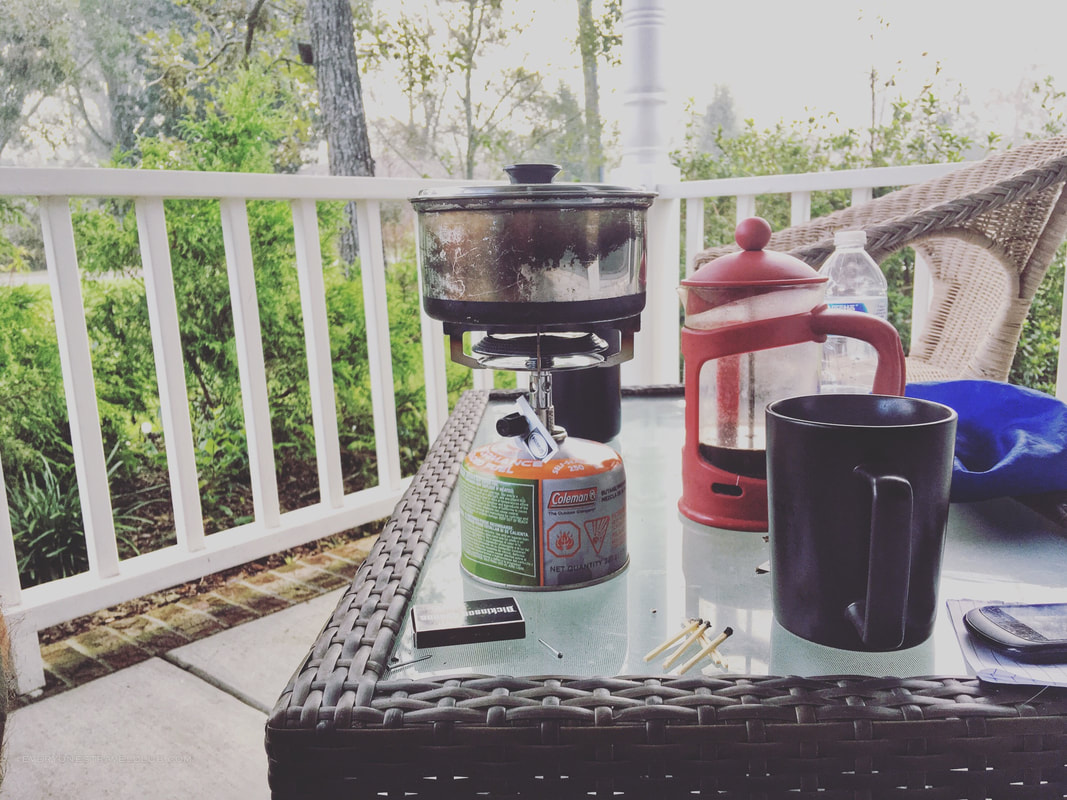 Camping on the front porch post hurricane. Our town sustained lots of wind damage but luckily, no flooding. Some of the Worst 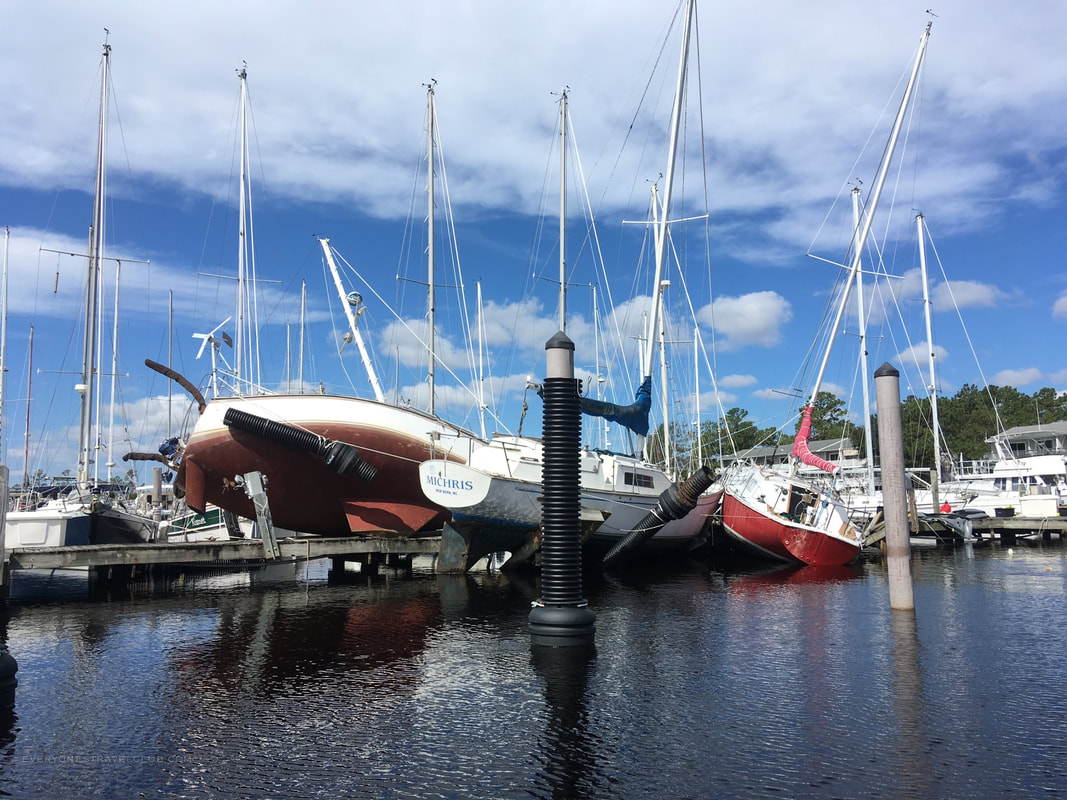 After the rivers blocking my way receded and camping life at home ended, I ventured into nearby New Bern, NC. The marina I work at had some issues (above) but actually fared much better than others around town. I helped demo a townhome in the town of Riverbend (video below), they got hit hard. The recovery continues. It's going to be a long road for many. 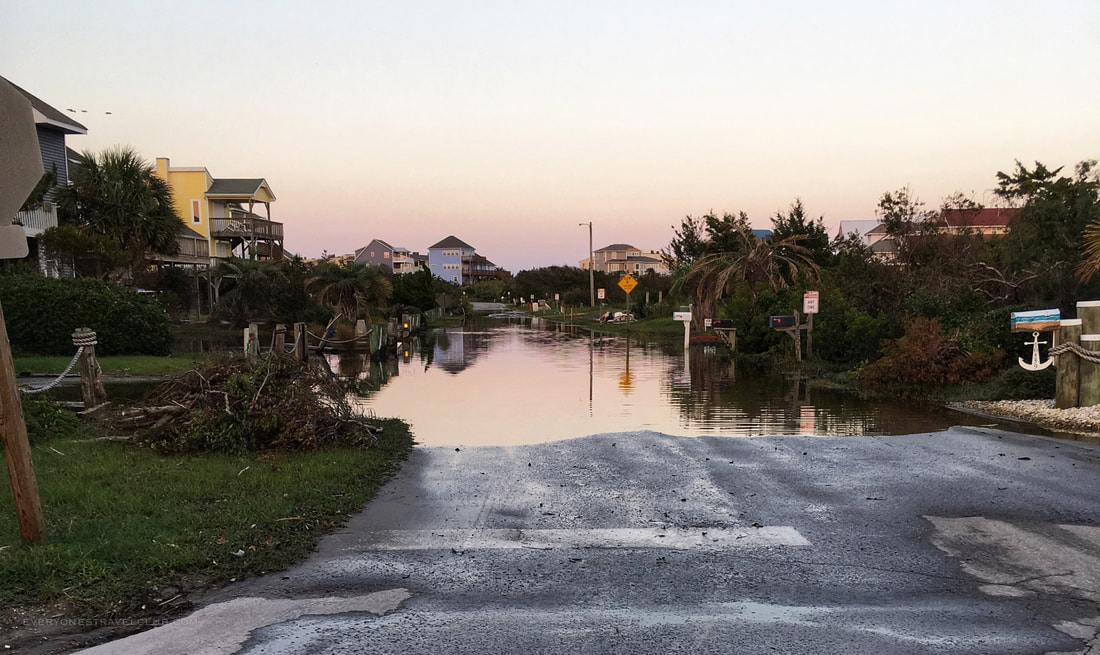 Emerald Isle following the storm The Piano Later in the week I was asked to look at a grand piano that had been damaged in the storm. I wrote a little piece about it - my final thought about the hurricane and it's effects. We were lucky and thankful and are excited to get back to normal around here. We'll be back to posting regularly on Sundays!!! ~Paul EVERYONESTRAVELCLUB.COM 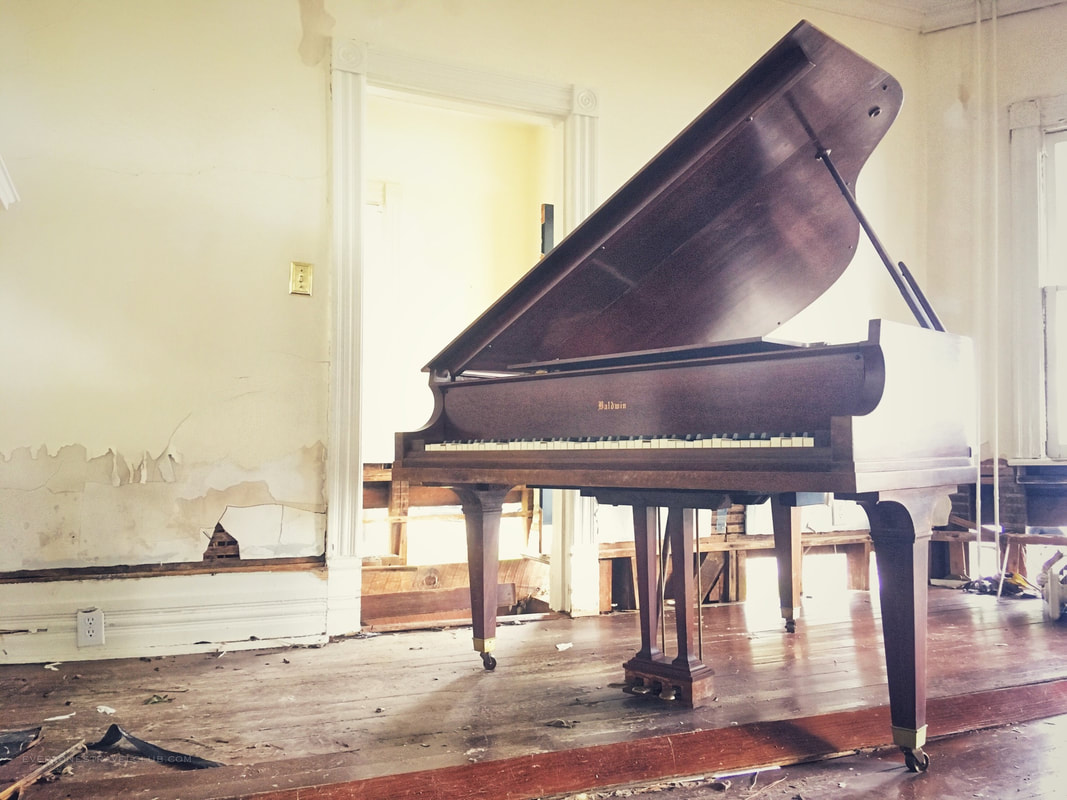 "Today I learned I could never be a doctor. I was asked by a friend to take a look at a hurricane Florence piano, to see if it could be salvaged. In college I worked a few summers with a piano tuner and rebuilder. We rebuilt a few pianos from what seemed like complete ruin. I learned a lot.
This piano is a beautiful 6 ft-ish Baldwin. It is owned by a woman in her 80s. She remembers playing this piano as a little girl, with her mother. As Florence hit New Bern, the windows in this room blew out and (as you can see in the torn wallpaper) flood waters rose and swept into the house. They eventually drowned a lot of the piano - first the pedals, the key-bed. The water maybe even reached the action, pin-block, the soundboard, and the strings. Today the piano stood proud though, even as it somehow straddled giant holes and missing planks in the floor. I stayed to the remaining floor joists as I inspected her, imagining my added weight causing us to fall through the floor - imagine the piano sound that would make! What a finale! I almost wished she would have gone out like that. As you might guess, my final prognosis was grim. I’d already been thinking a lot about how precious time is. It’s not that physical stuff really matters that much, it’s more a reminder to do the best you can with what time you have. One week you’re playing Debussy on your mom’s piano, gazing out your front windows at the water. And just like that, it’s all washed away."
2 Comments

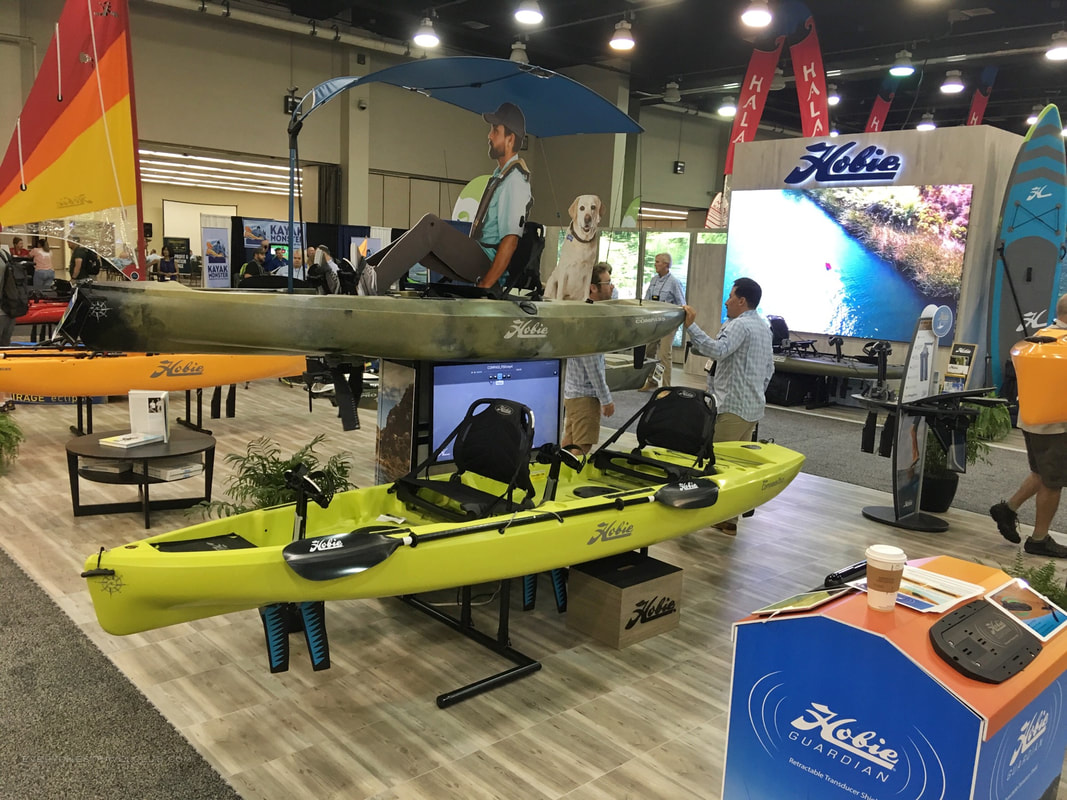
So, yeah, I've been a little MIA over the past few weeks. I've been traveling, working, and running (not jogging, fleeing!). Back at the end of August I had the pleasure to attend the Paddlesports Retailer industry trade show in Oklahoma City. Now it's already September and I'm currently inland from my home on the coast of North Carolina, running from #HurricaneFlorence! More on this adventure in a later post - it's much nicer to think back about the Paddlesports show. Over the past few months I've been working with my favorite inflatable kayak company -Innova Kayak (parent company Gumotex in Europe). They asked me if I wanted to join them in OKC, meet some of the Innova team, help with the show, and learn about all of the exciting things happening with the company in 2019 and beyond.
This trade show isn't open to the public - it's for vendors and retailers. It's a way for buyers from large and small stores to walk around, talk to companies, make orders for the new season, and check out new products.
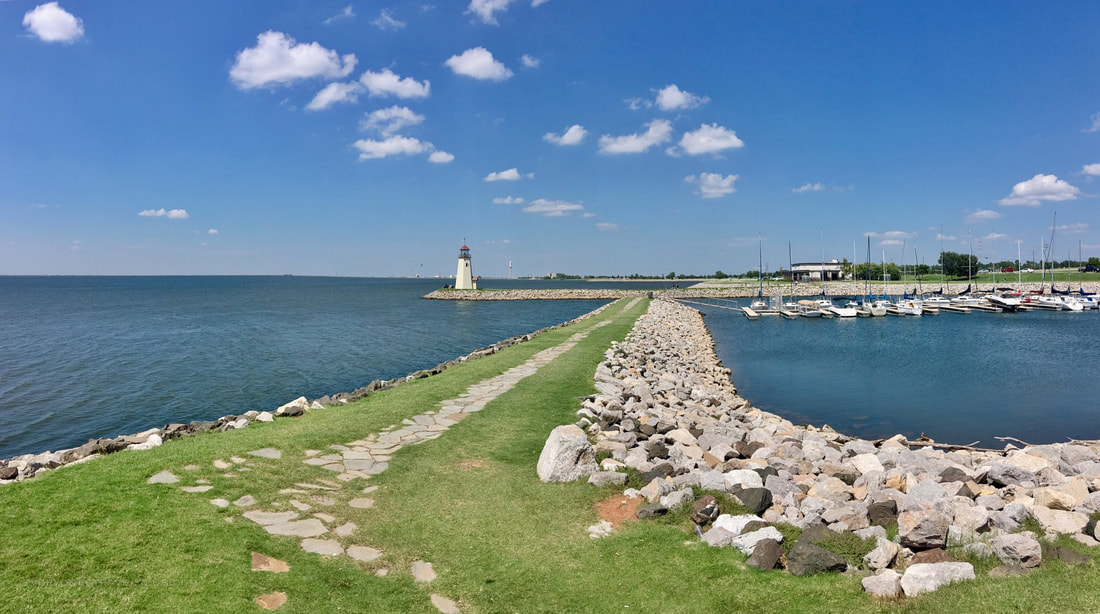
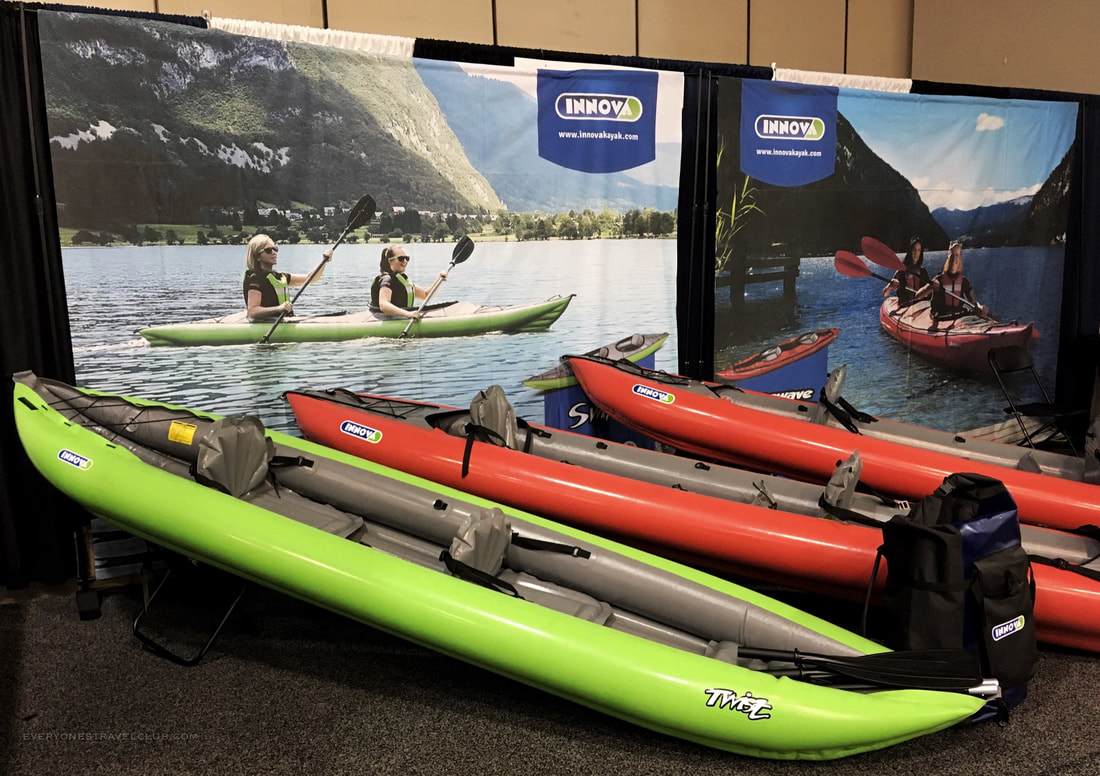
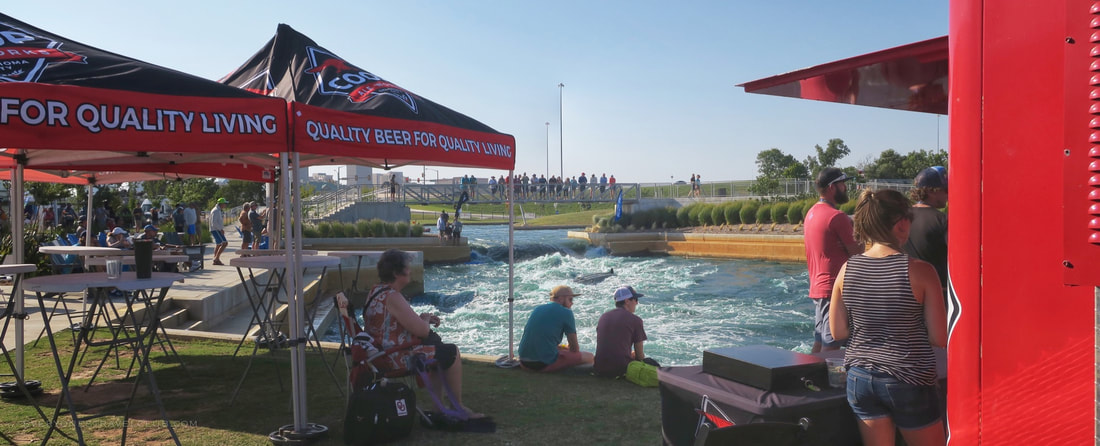
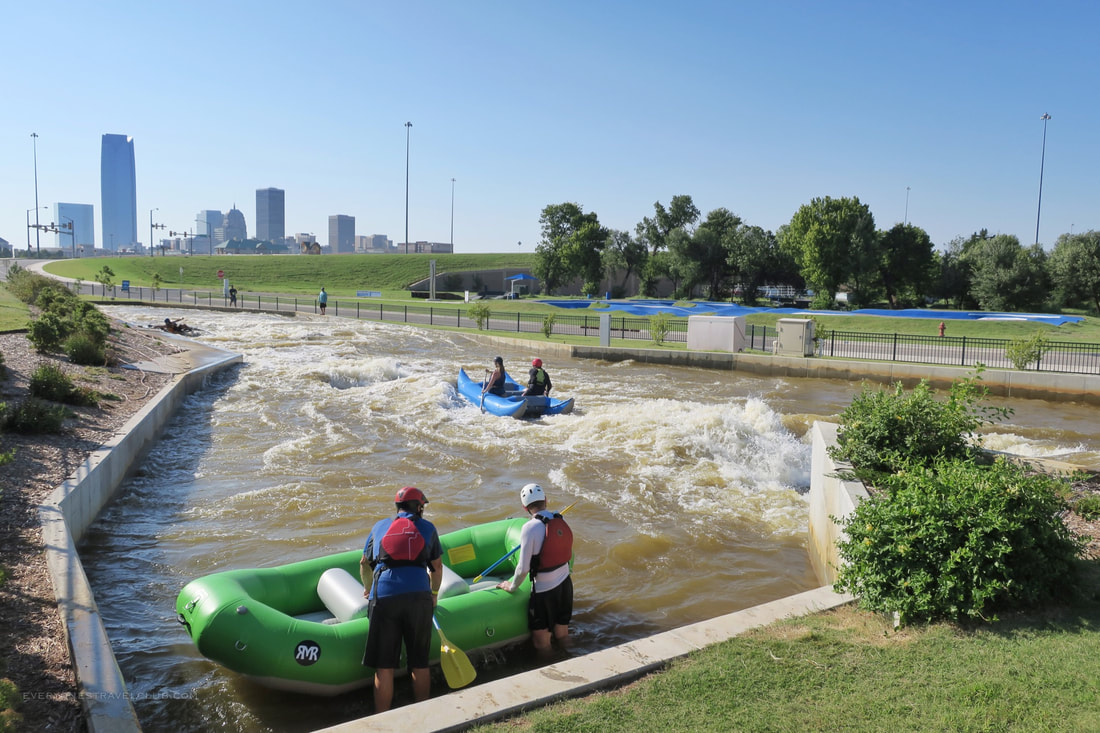
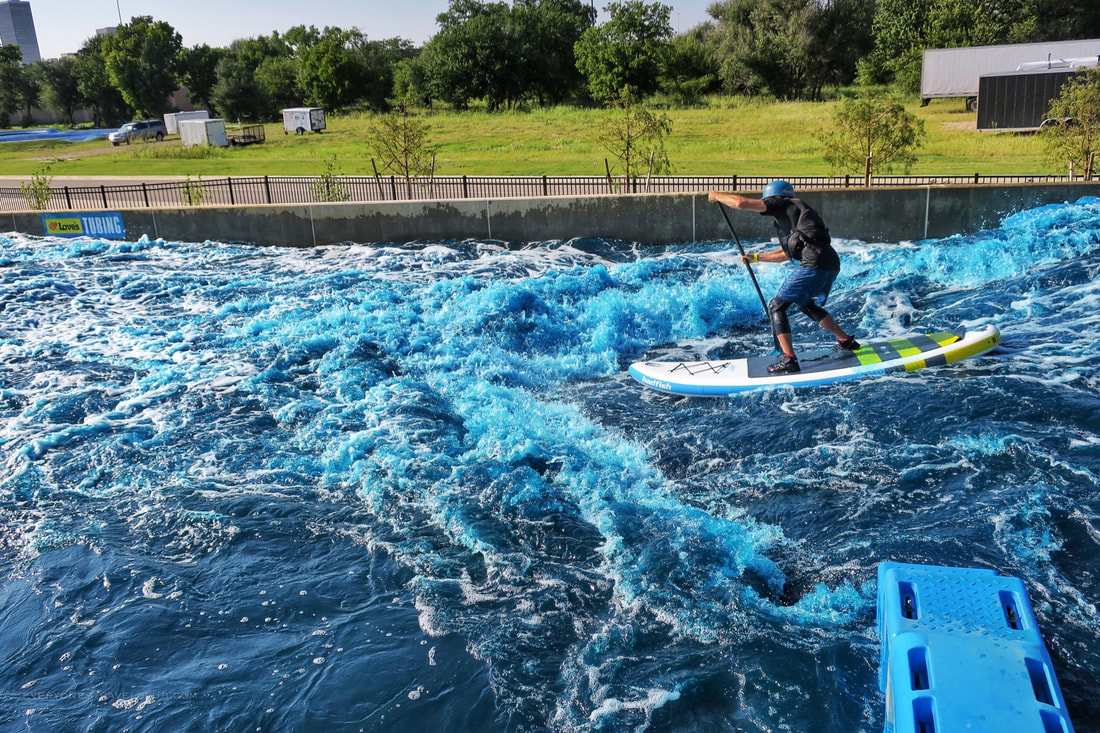
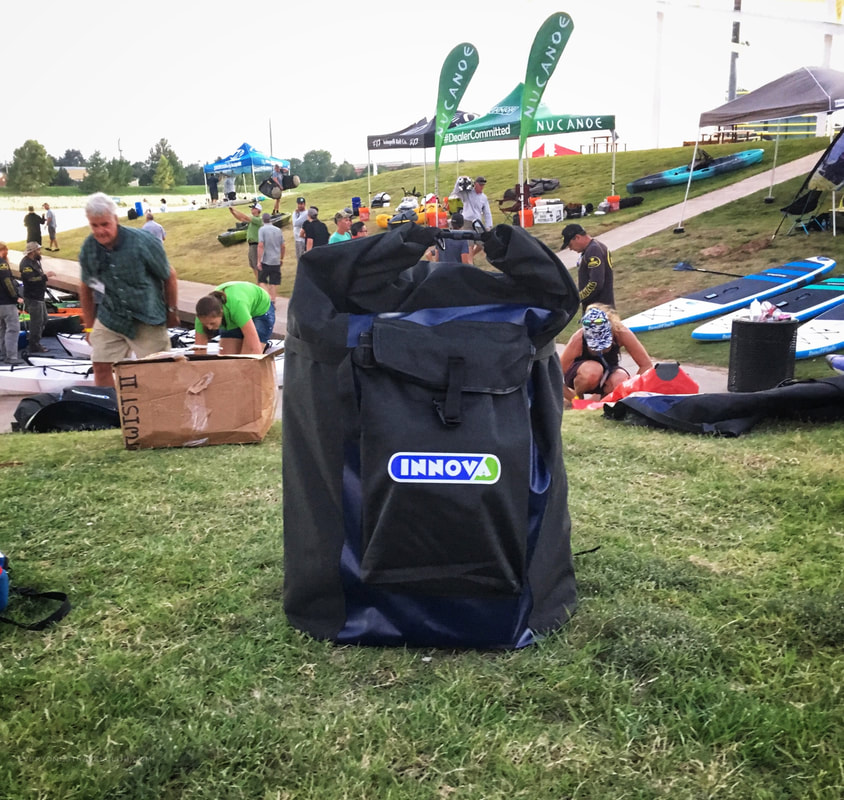
After I arrived in OKC (which is a great city by the way), I helped Innova set up their booth at the downtown convention center (middle pic above). We settled and prepared for 'demo day' along the river at the a-maz-ing Riversport Rapids whitewater center. 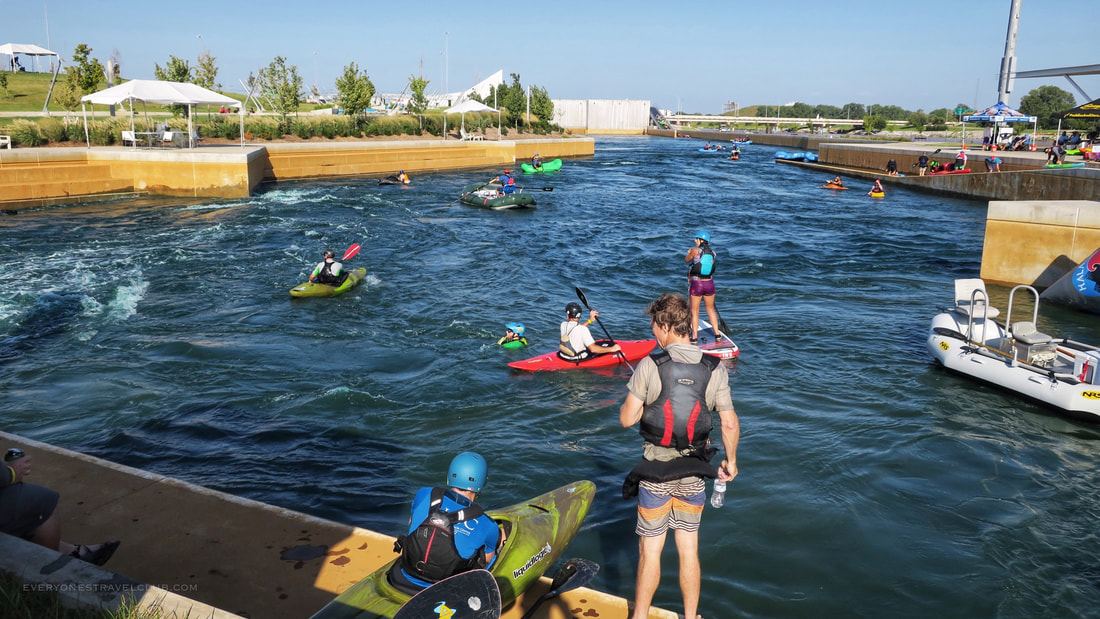
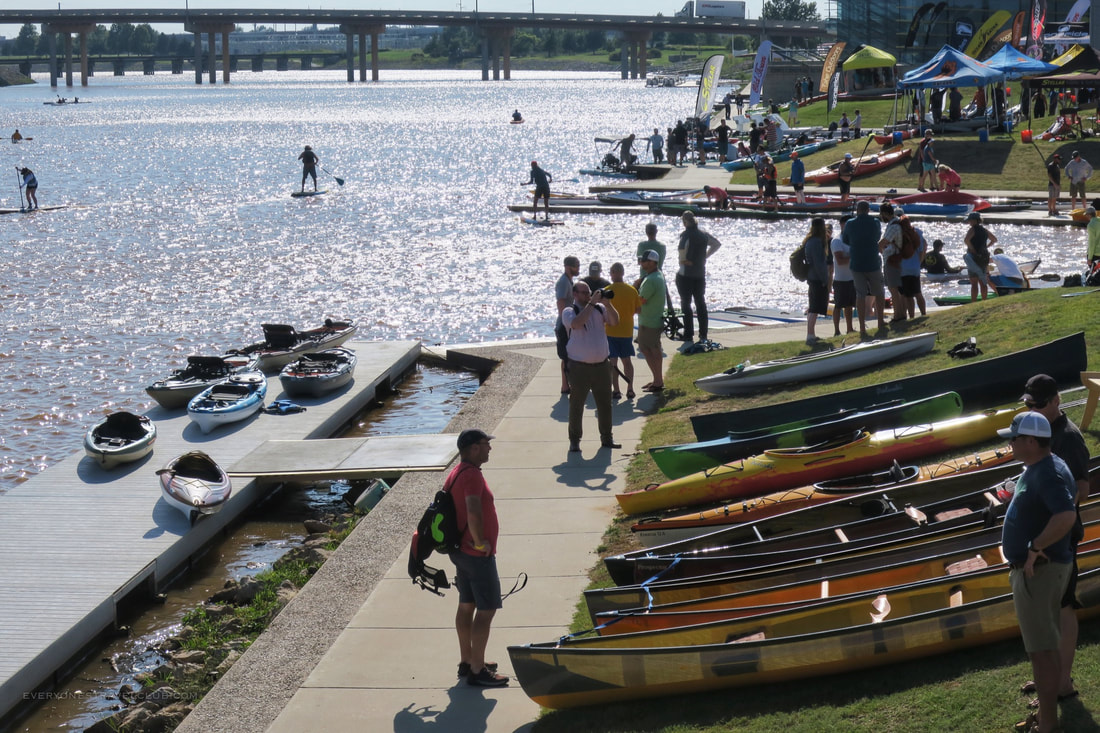
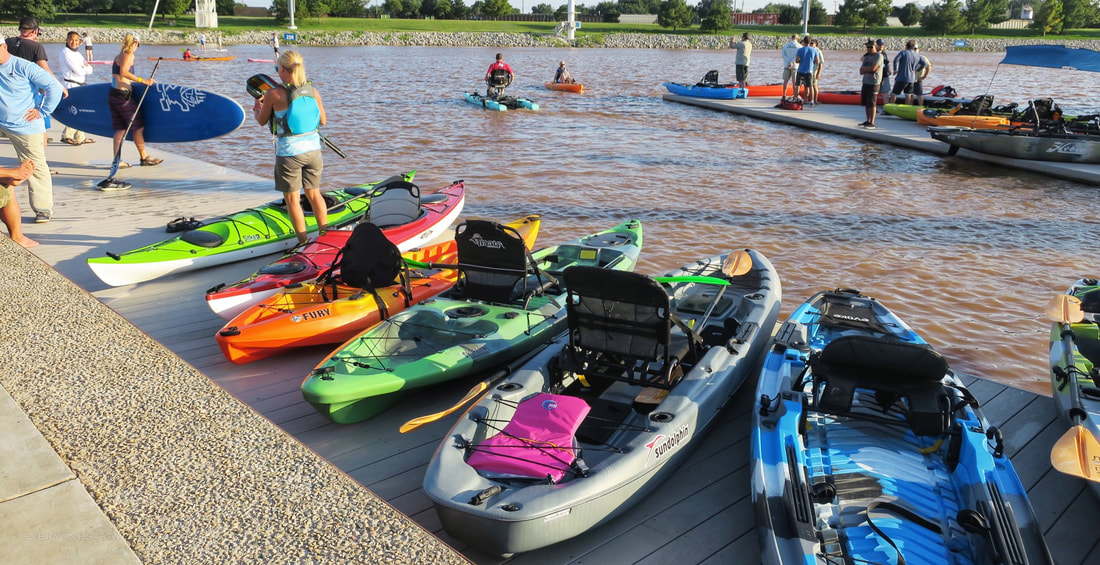
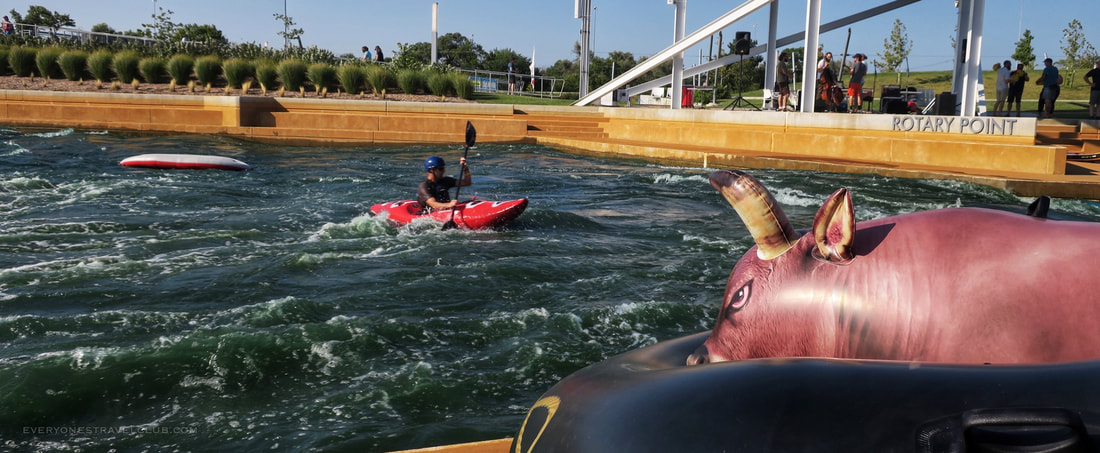
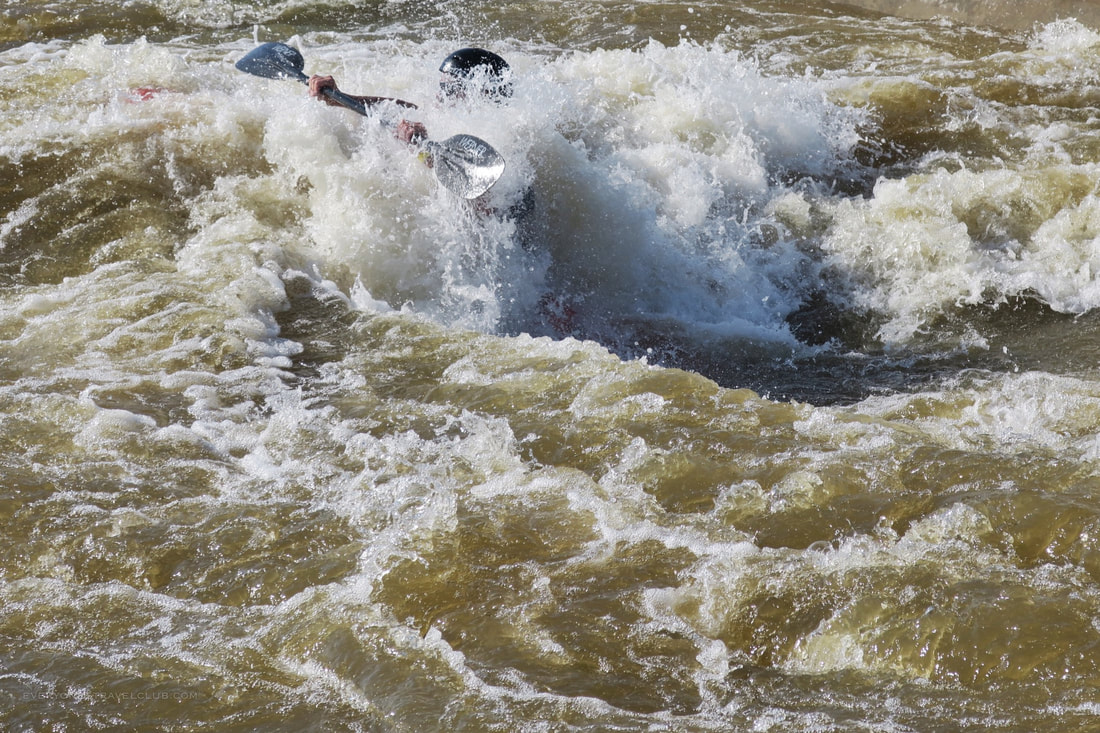
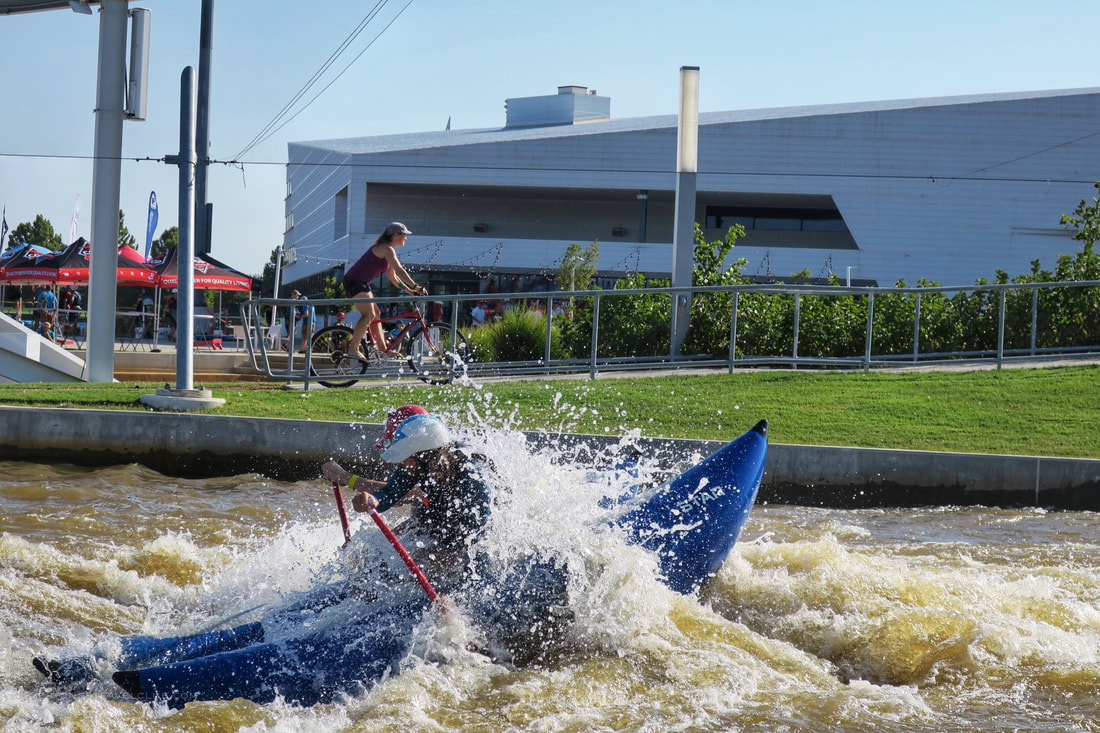
Paddlesports Retailer demo day at the whitewater center in OKC
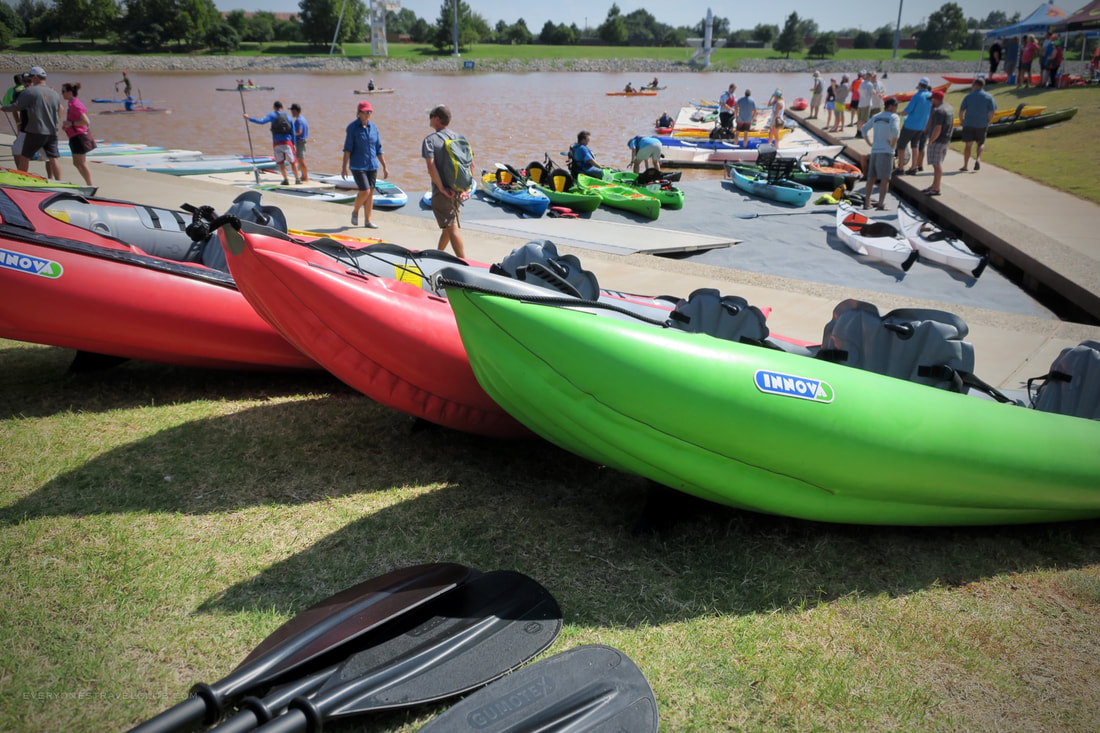
Demo day is a way for buyers to try out boats on the actual water (instead of just imagining inside the dry convention center). It seemed like there was minimal chatting around most vendors, but lots of paddling, laughing, talking, and relaxing since we all made it and the booths were pretty much set up back at the convention center.
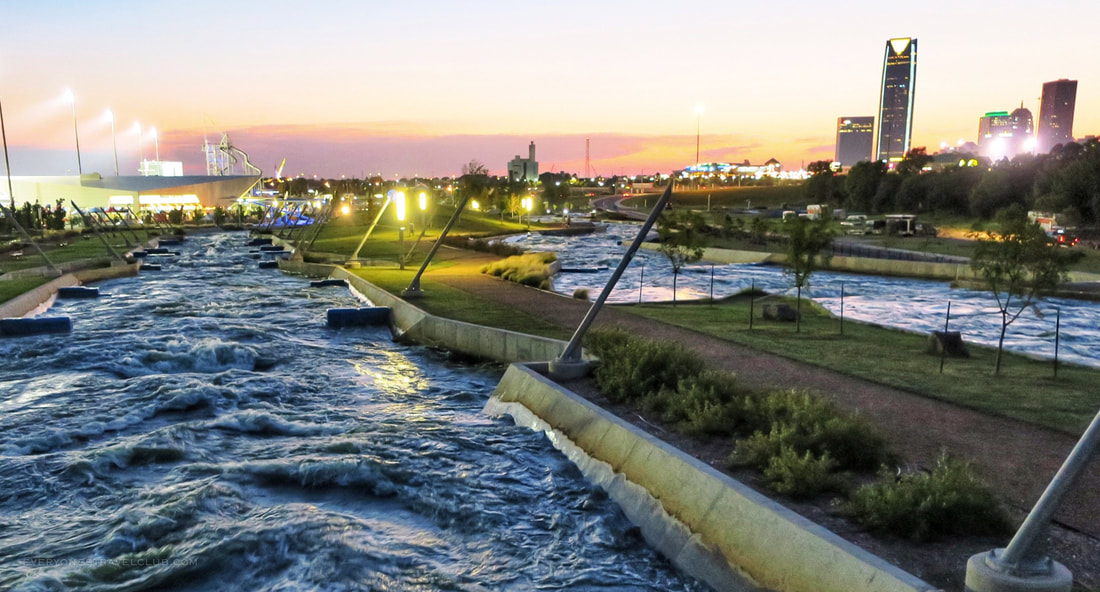
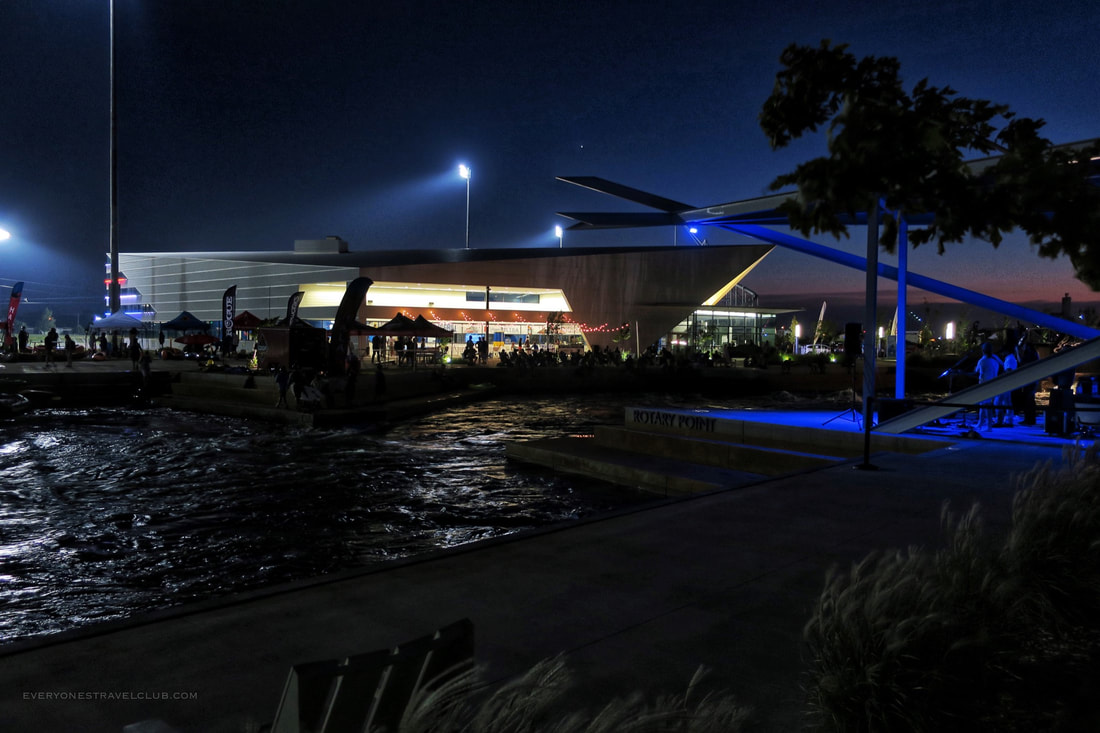
With the sun set on demo day, it was back to the air bnb to rest. The first day of the show at the convention center was a bustle with activity. At Innova we got to talk with several retailers and as I walked around I got to talk with several more. It was cool to be around such a thriving paddling industry event. It was also great to visit Oklahoma City, a place I never imagined would be so cool.
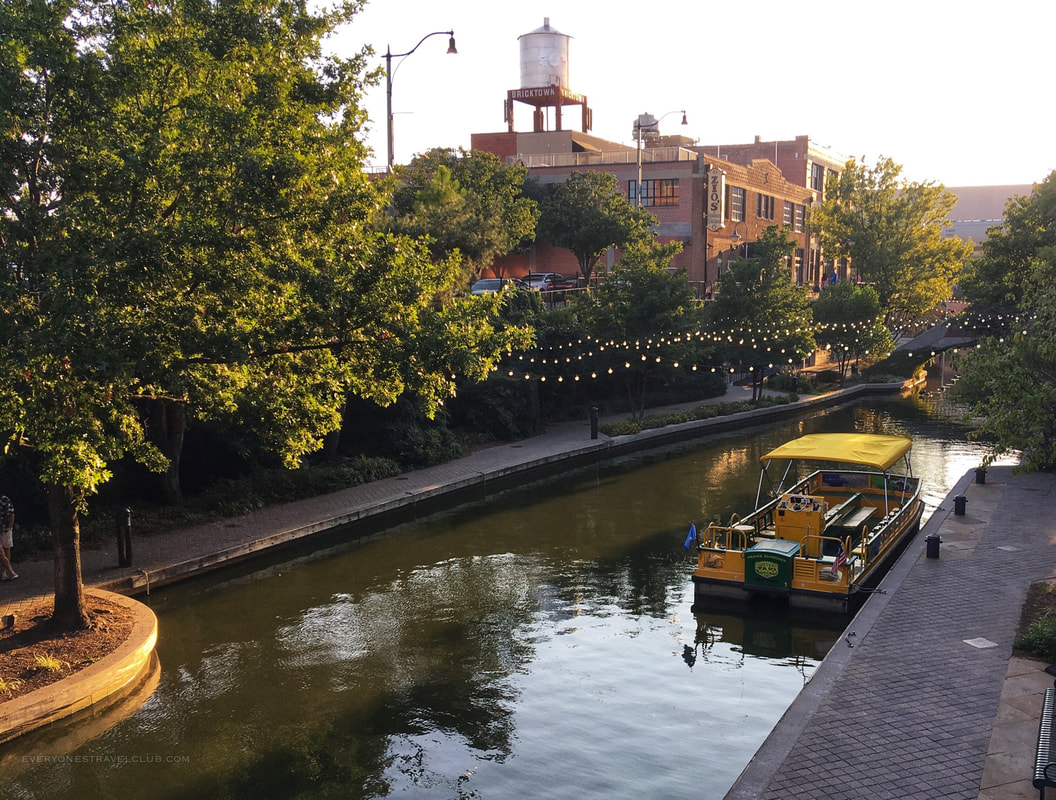
So that's the update for now. We hope to return to normal (from #hurricaneflorence) soon! Maybe we should take a vacation back to Oklahoma City!?!?
~Paul everyonestravelclub.com 
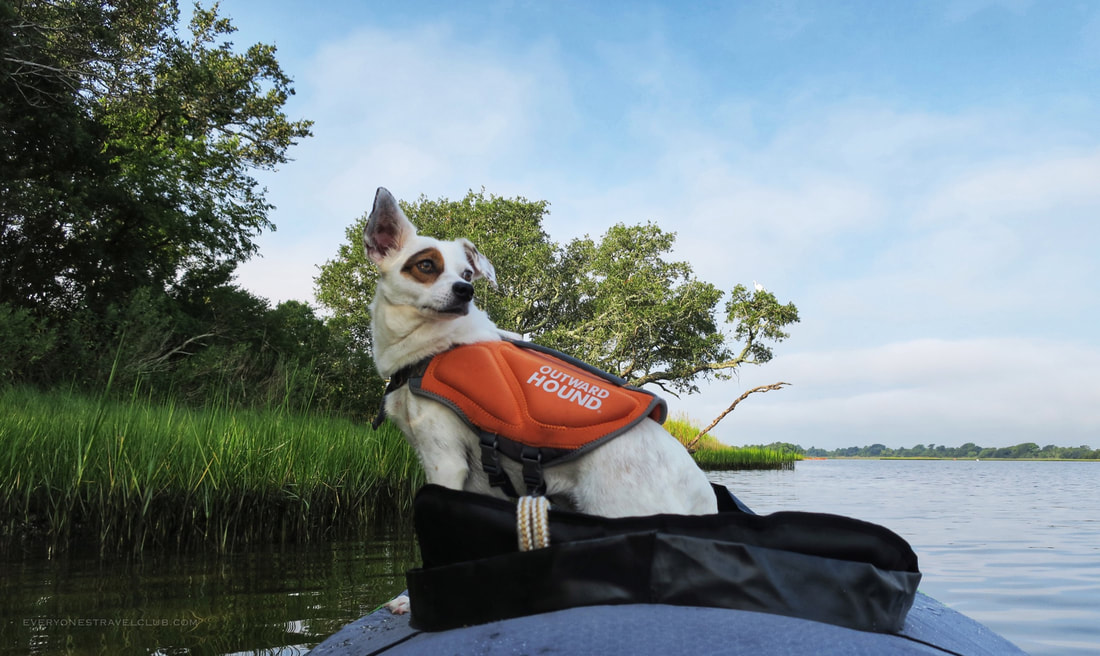
Eastern North Carolina has a lot of barrier islands. After paddling to a few of the protected ones (Rachel Carson, Dudley Island), I (with pooch) set out to knock another off the list.
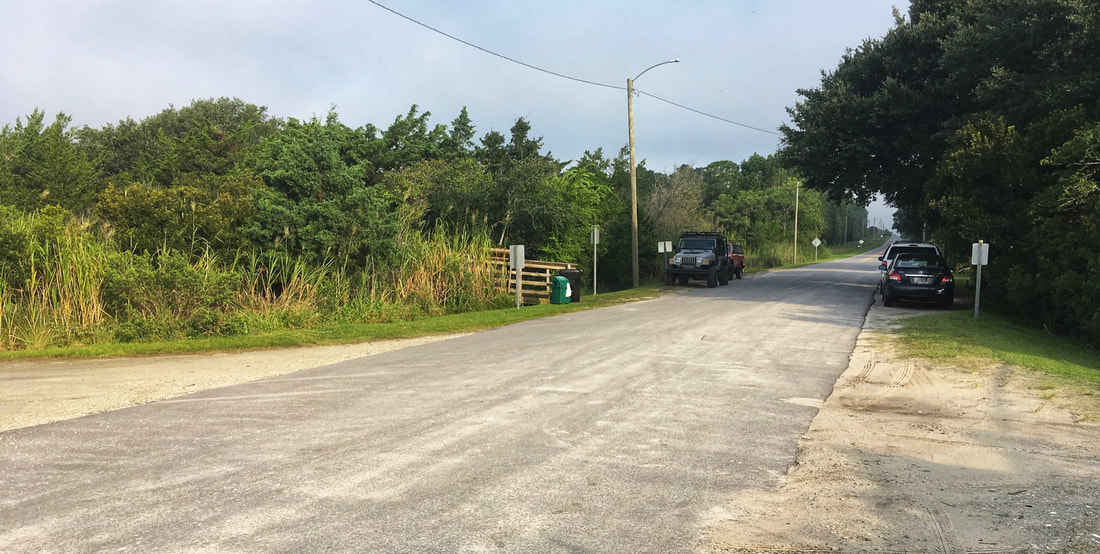
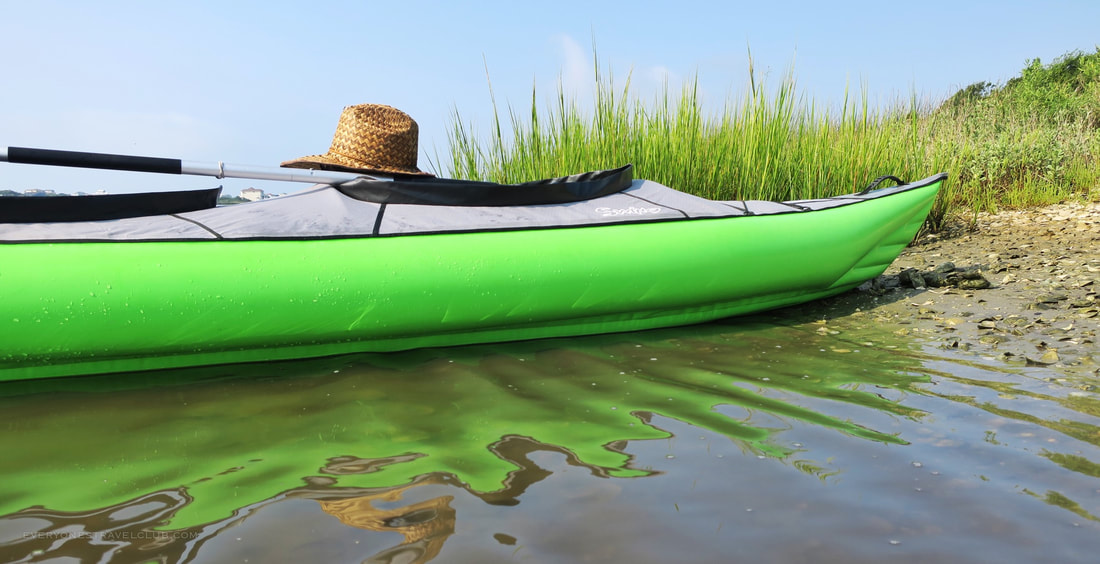
On the edge of Onslow County, in the town of Holly Ridge, is a nice mainland boat launch called Morris Landing. This area is actually part of a 52 acre shoreline restoration project managed by the NC Coastal Federation. The boat launch here is a little elusive when you're searching for it online - it's not a State Fish & Wildlife launch like you may be used to (like the launches at Emerald Isle or Cedar Point). Morris Landing is the closest kayak/canoe/boat launch to the Permuda Island Reserve, my destination for this trip.
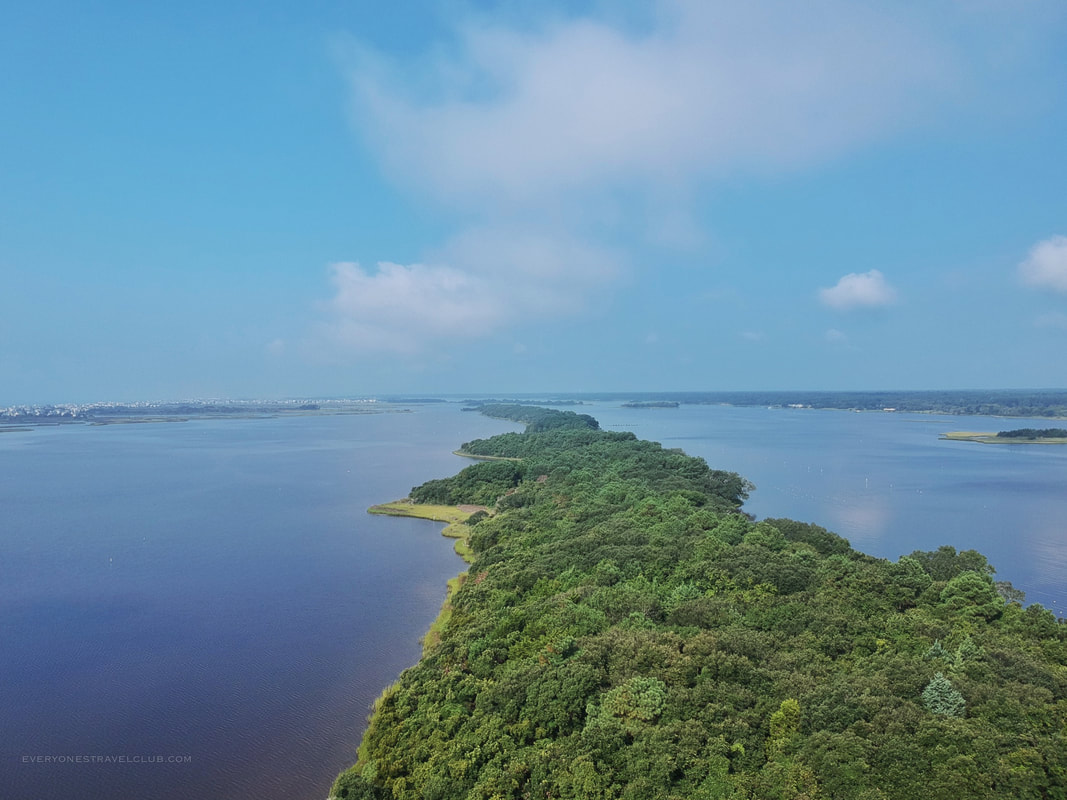
The Permuda Island Reserve is a NC Coastal Federation protected barrier island. It's long, narrow, and heavily wooded. It's 65 acres big with over a mile of shoreline. Among the multiple species of wildlife, there's also archeological evidence of human inhabitants from waaaaaay back (into the B.C.!). We read about this evidence online but did not see any signs ourselves.
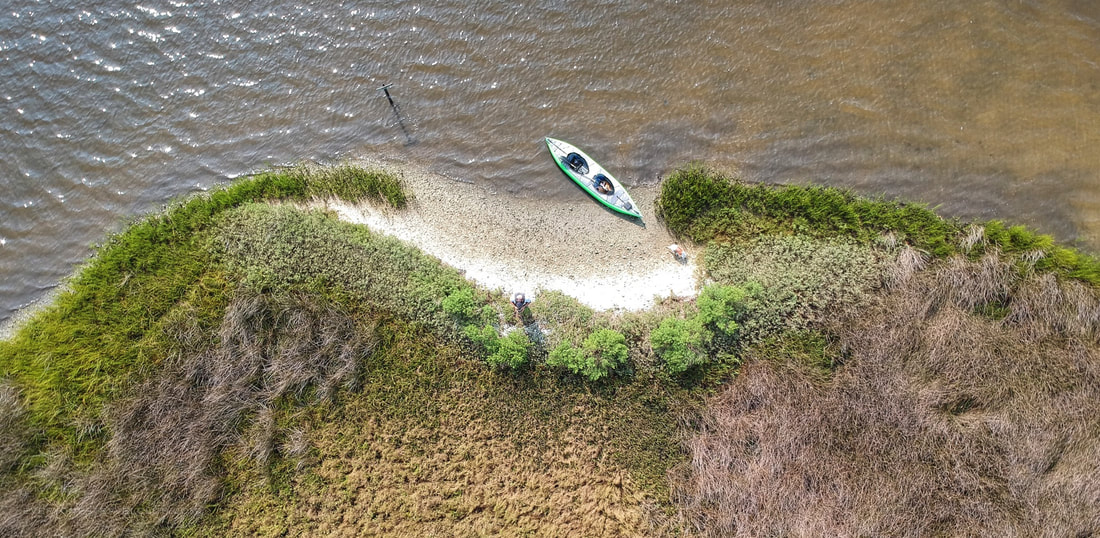
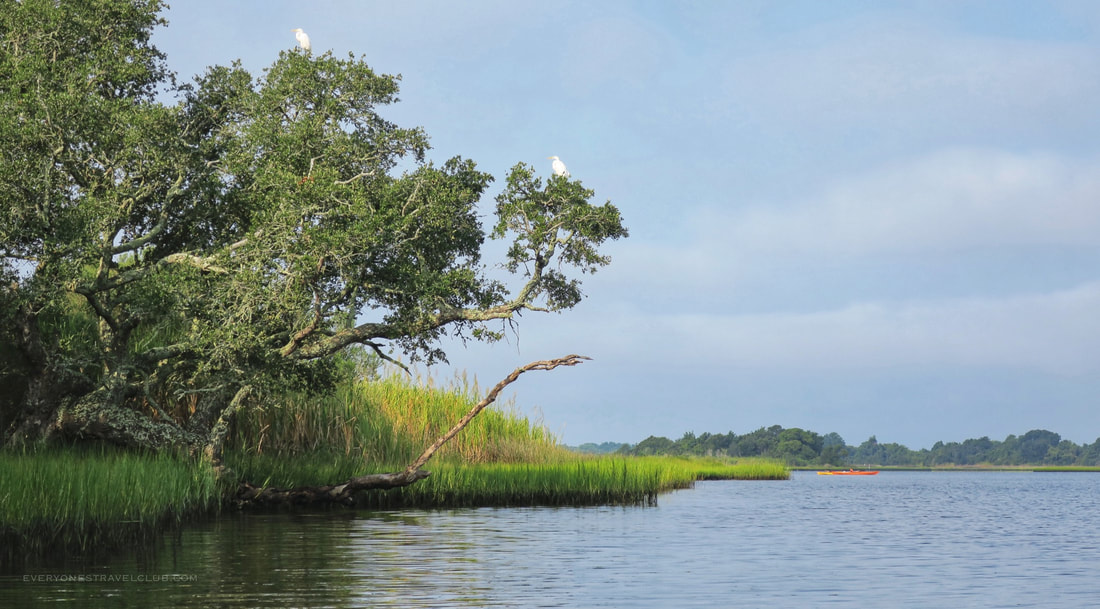
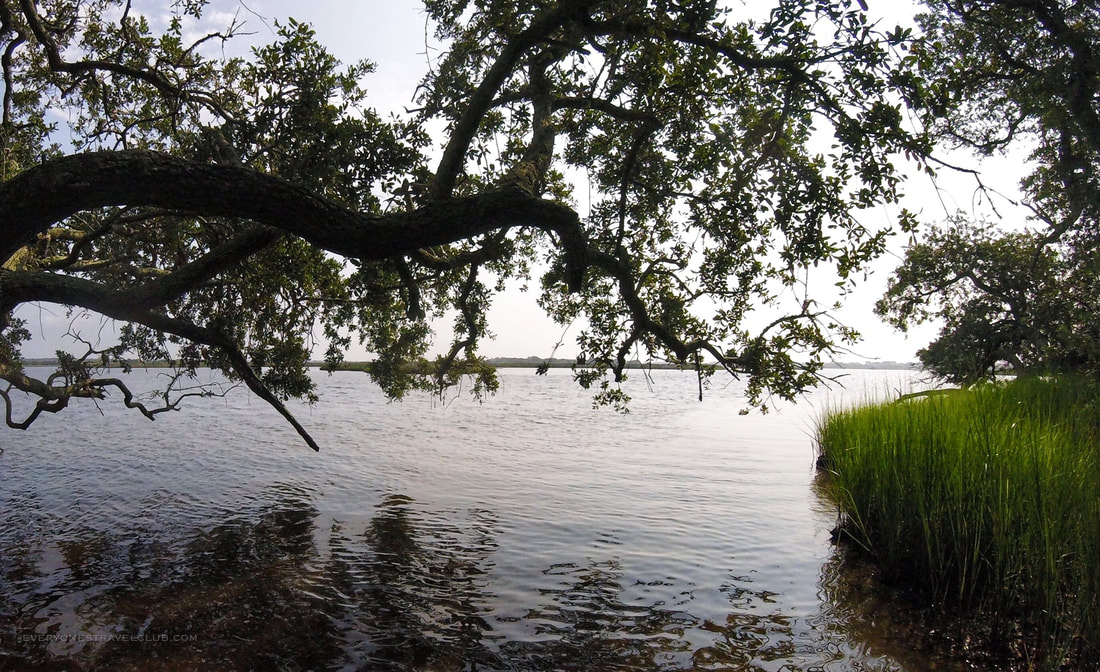
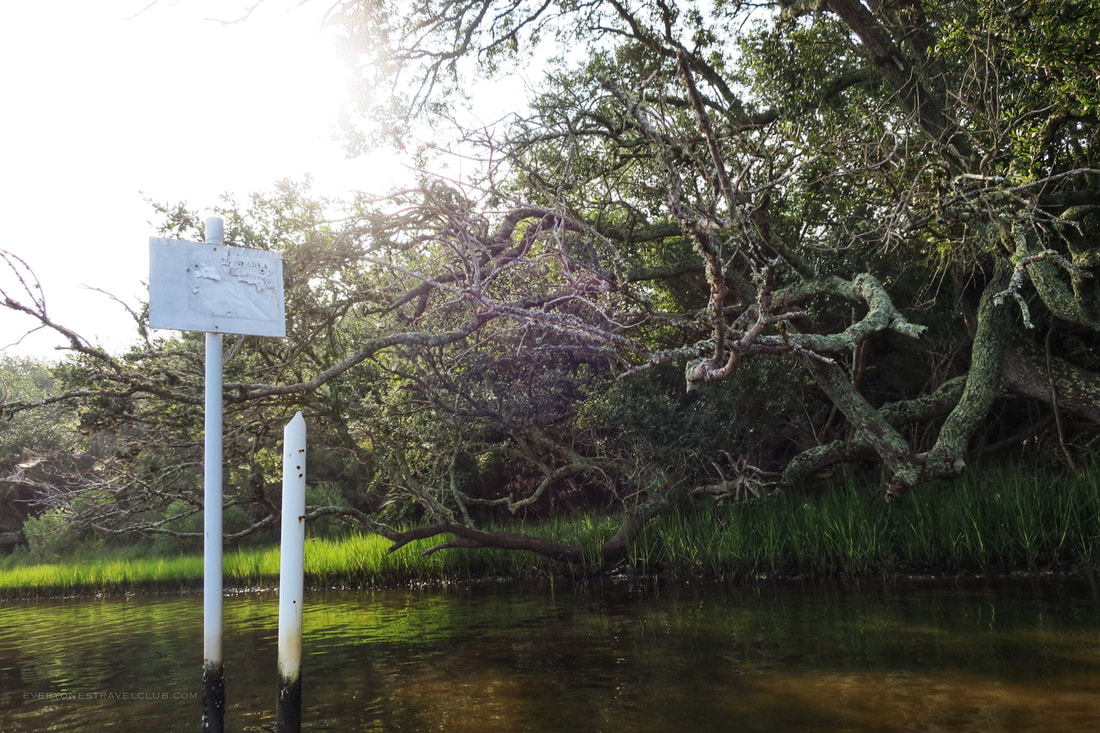
Commercial oyster beds are scattered around in the adjacent waters (the Stump Sound). As you paddle around the island, you'll see these and beyond them to the beach houses of Topsail Island, pronounced "Top-sol" by the locals. If it's a still day you'll even hear the ocean waves crashing! Although Permuda Island doesn't have any trails (it's thick), you'll be able to bird watch many species right from your boat. There are a few places to beach your kayak and explore - but don't expect big sandy beaches on here. Look for low lying live oak trees, especially on the mainland facing side of the island, these are usually cool places to pitstop (see below).
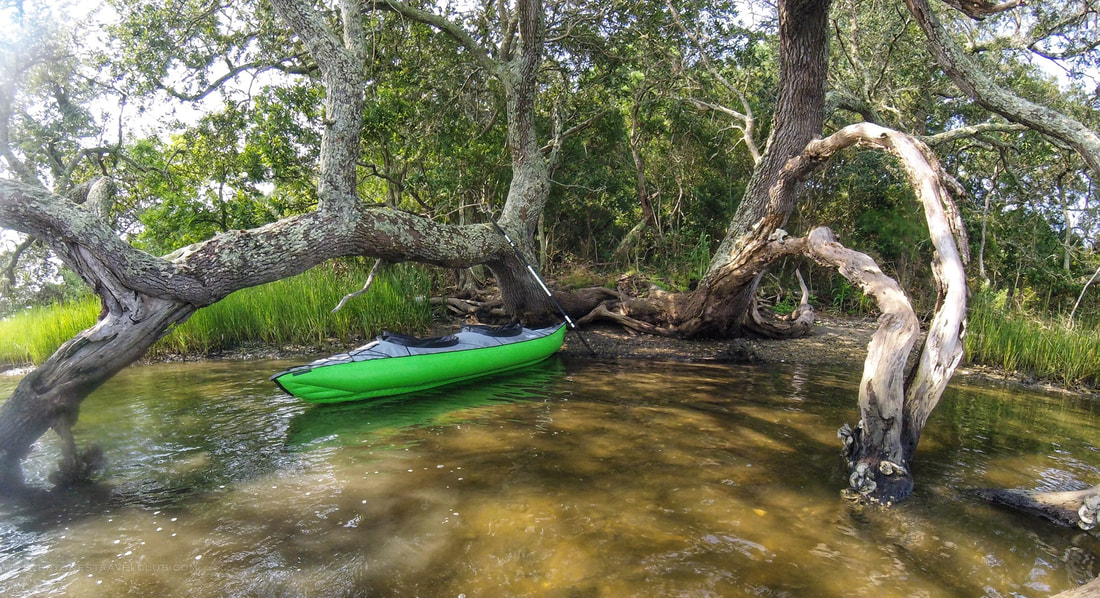
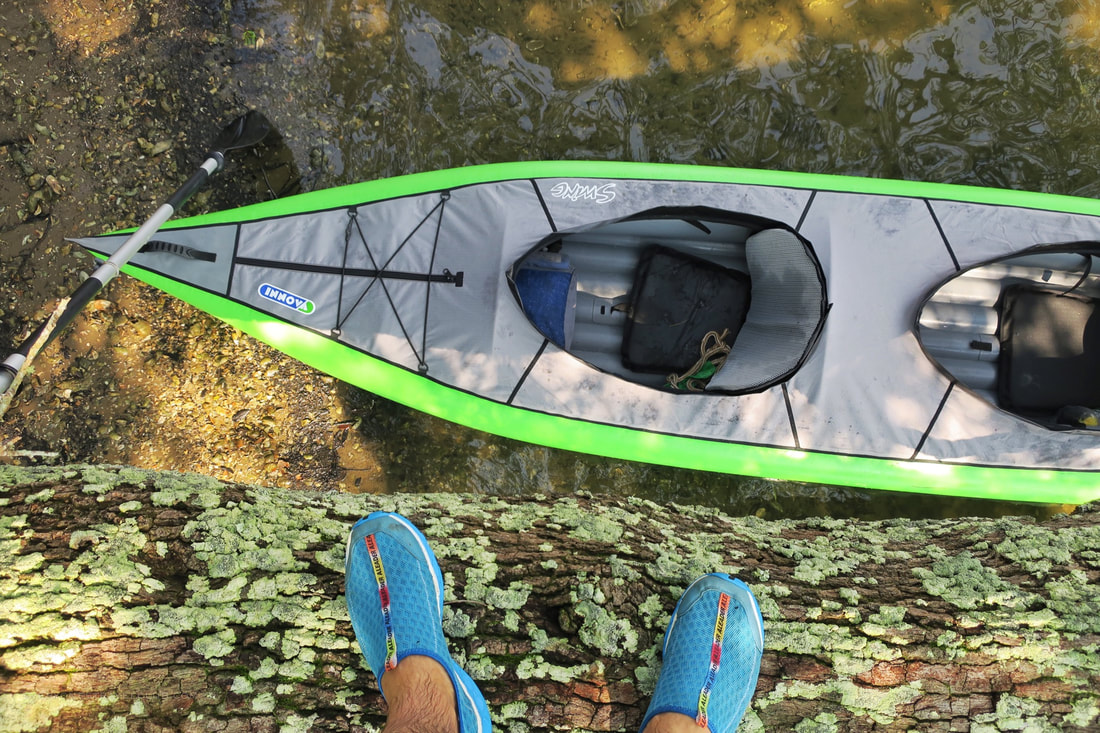
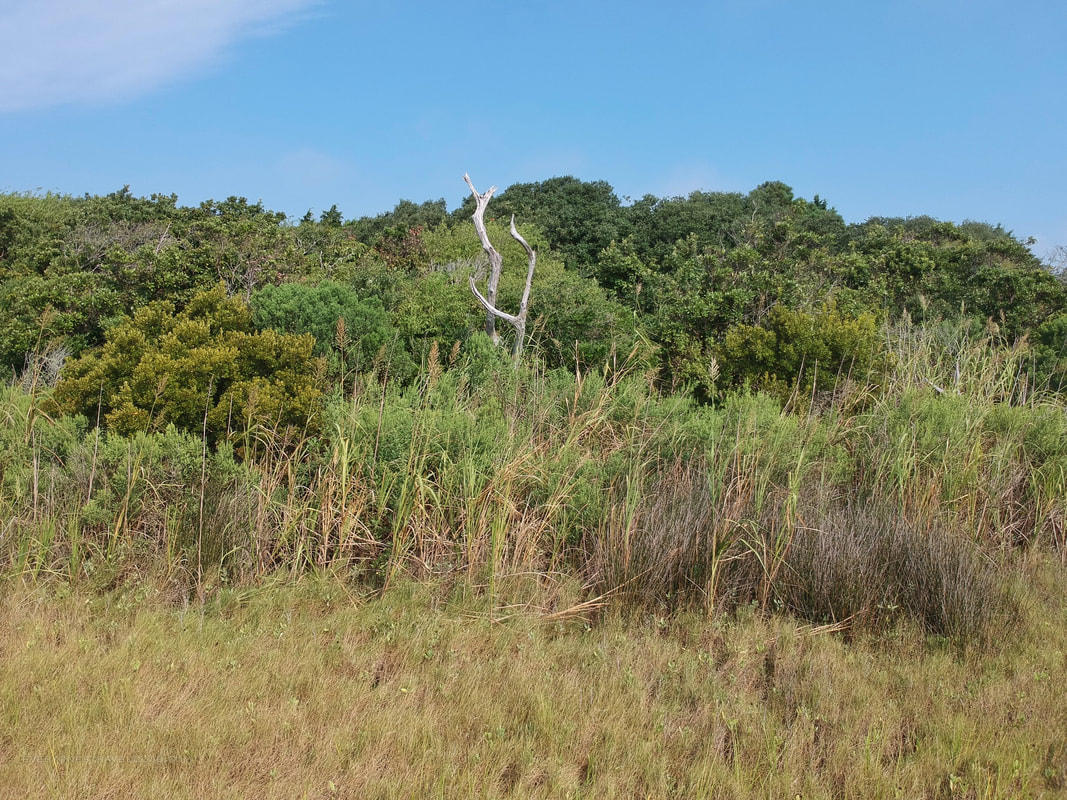
We paddled, we stopped a few times, we took lots of pictures. It wasn't crowded at all on a weekday at the end of the summer, but I could imagine quite a few cars/trucks/trailers parked at Morris Landing on the weekends when the weather is nice. There's not an actual parking lot so get here early if you want a spot. I set the timer from the time we launched to when we returned - we took 2 hours and 24 minutes. I imagine you could cut that time down significantly if you didn't spend light years trying to get closeup video of ants on a tree like we did. The ants were giant and amazing, the video was not haha.
Also, since most of the cool stop points are on the mainland facing side of the island, probably better to paddle Permuda counterclockwise from the Morris Landing launch site to get more paddling in before you stop for a break. Watch the winds and the tide - this will (as always) impact your trip - which way and how far you wish to travel. It's a cool island, check it out! ~Paul & Eleanor everyonestravelclub.com Links! NC Coastal Federation Brochure for Permuda Island 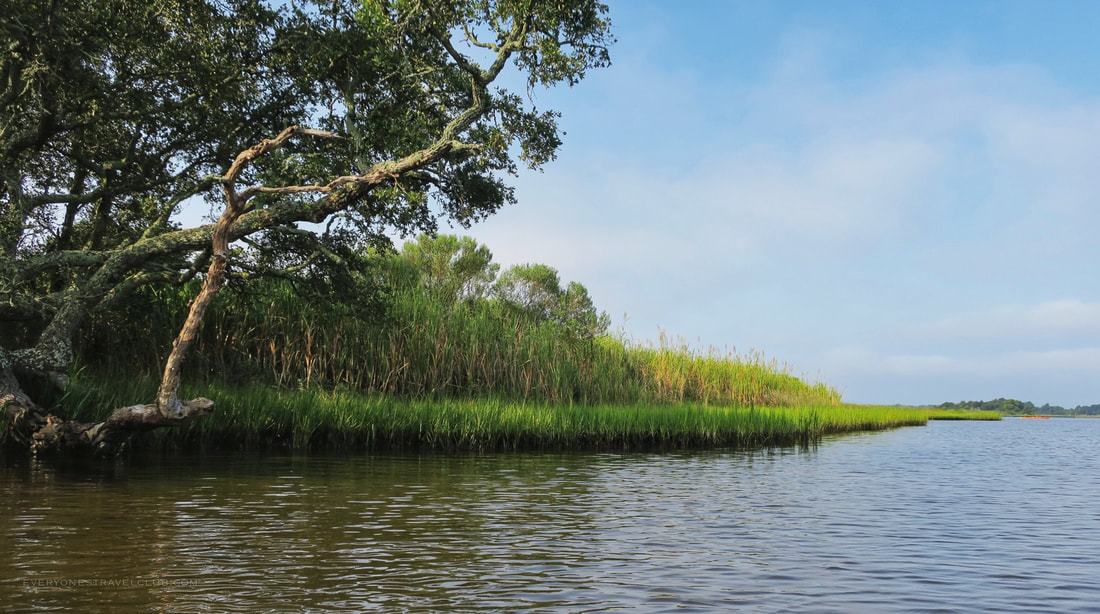
|

Categories
All
We hope you've enjoyed the time you've spent on our site. All images, text and designs are copyright Everyone's Travel Club and may not be used without written permission from us. Email us!

Archives
August 2022
|





 RSS Feed

|
Connect:Contact: |
everyonestravelclub@gmail.com |